RE
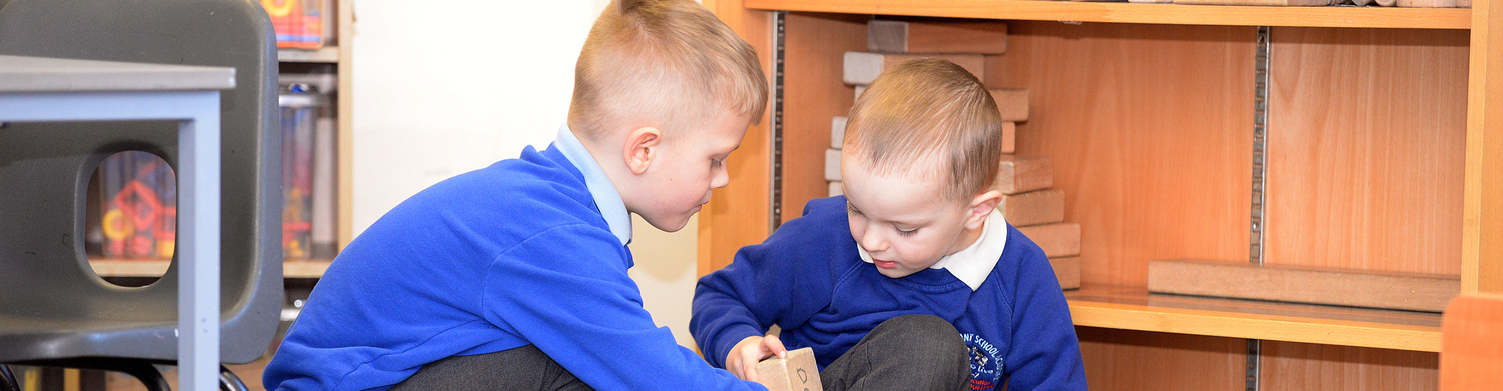
Religious education enables children to investigate and reflect on some of the most fundamental questions asked by both adults and children. The core purpose of RE is to engage pupils in exploring and responding to challenging questions raised by religion and worldviews, so that they can develop the knowledge, understanding and skills needed to appreciate and appraise varied responses to these questions, including their own.
RE offers distinctive opportunities to promote pupils’ spiritual, moral, social and cultural (SMSC) development. RE lessons offer a structured and safe space during curriculum time for reflection. Teaching in RE engages pupils in discussion, dialogue and debate which enables them to make their reasoning clear and which supports their cognitive and linguistic development.
PE
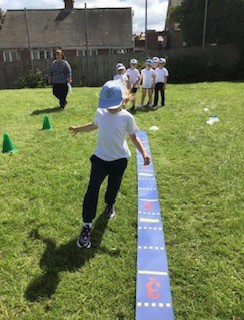
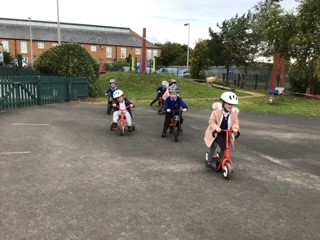
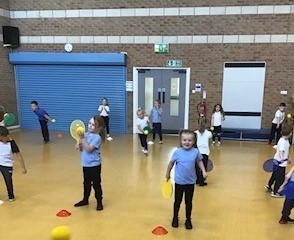
Our ultimate aim at Ryhope Infant School Academy is to provide High Quality Physical
Education which equips every child to lead a healthy active lifestyle.
At Ryhope Infant School academy, we believe that Physical Education provides a platform
from which children can build physical competences, improve aspects of fitness, and
develop personal and interpersonal skills and attributes.
We aim to provide our pupils with opportunities to develop the knowledge, skills and
capabilities necessary for mental, emotional, social and physical wellbeing, now and in their future.
Physical fitness is an important part of leading a healthier lifestyle. It teaches self discipline and that to be successful you must work hard, show resilience and have the
determination to believe that anything can be achieved.
Our Intent for PE
• To enable children to develop and explore physical skills with increasing control and
coordination.
• To encourage children to work and play with others in a range of situations.
• To develop the way that children perform skills and apply rules and conventions for
different activities.
• To increase children’s ability to use what they have learnt to improve the quality and
control of their performance.
• To teach children to recognise and describe how their bodies feel during exercise.
• To develop an understanding in children of how we succeed in a range of physical
activities and how to evaluate their success.
• To develop the children’s enjoyment of physical activity through creativity and
imagination.
• To provide children with a range of opportunities which enhance their physical
wellbeing, in preparation for leading a fulfilling, active and healthy lifestyle.
Implementation
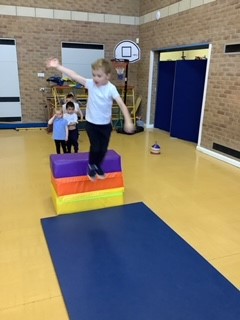
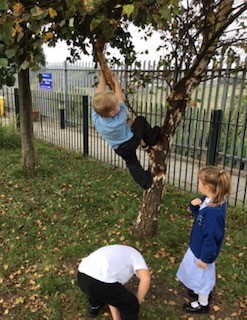
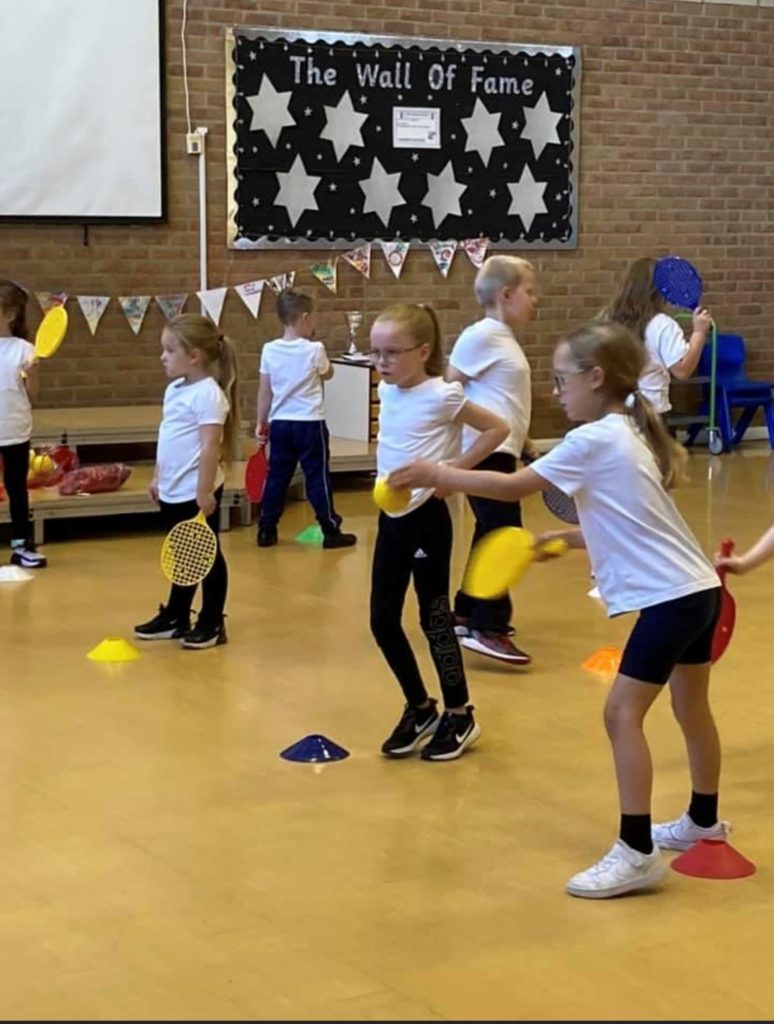
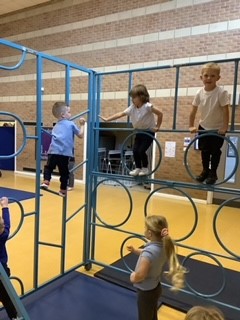
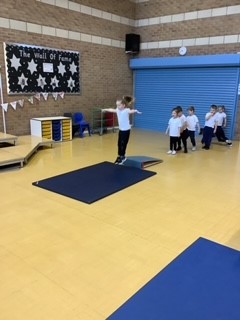
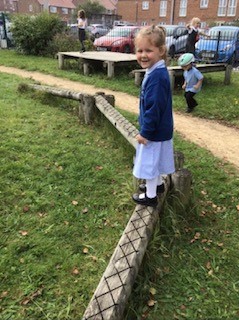
We use a variety of teaching styles to engage all types of learners. We provide a mixture of whole class teaching, and individual, paired and group activities. Teachers draw attention to good examples of individual/ collaborative performances and sportsmanship as models for other children, and we encourage pupils to evaluate their own work as well as the work of their peers. Within lessons, we give our pupils an opportunity to both collaborate and to compete with each other using a wide range of resources. We help children to recognise the importance of personal challenge, and to celebrate their own individual successes.
Computing
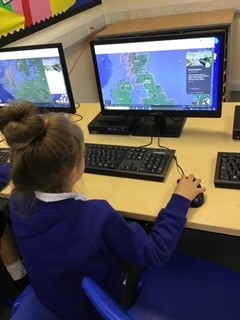
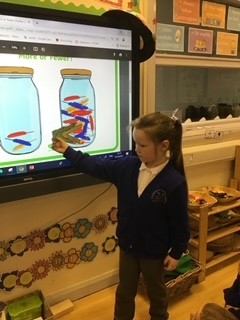
Computing, in general, is a significant part of daily life and children should be at the forefront of new technology, whilst being encouraged to explore and build upon previous knowledge and skills. We intend provide a wealth of learning opportunities and transferrable skills explicitly within Computing lessons and across other curriculum subjects.
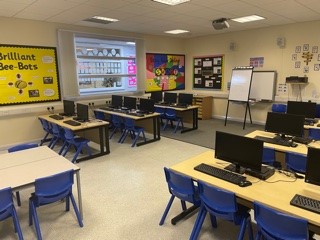
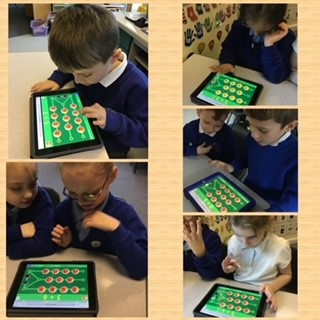
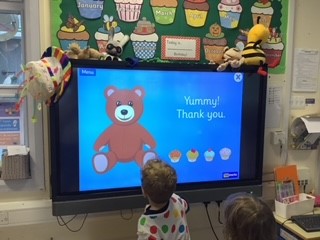
Our Intent
• To produce learners that can successfully access a range of technologies
• Gain experience of programmes they may require an aptitude for in later life.
• Ensure computing lessons in school observe progression.
• Our EYFS will provide a foundation for children’s computing skills and understanding, by exploring age appropriate resources. Although Technology is no longer an EYFS Goal we still believe that it is vital that children are exposed to this.
• To teach children appropriate technical vocabulary that will enable a good understanding of digital resources
• Continually upskill and develop teacher subject knowledge as technology changes.
• Invest in up to date technologies and software to support teaching and learning.
Design Technology
Art & Design Technology
Art
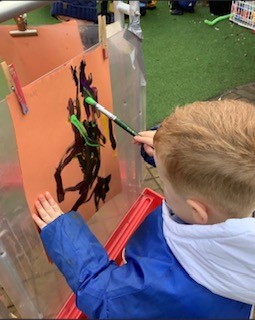
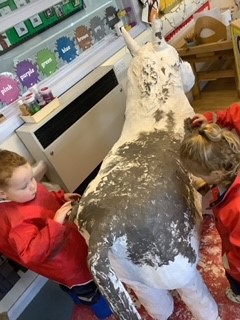
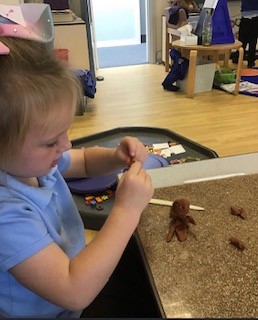
Art and Design has a very important place in our curriculum. We see Art and Design as a vehicle for creativity and individual expression and providing opportunities for collaborative work. Pupils are given the skills, concepts and knowledge necessary to express their responses to ideas and experiences in a visual or tactile form. Art and Design fires their imagination and is a fundamental means of personal expression. While it is essentially a practical subject, we provide opportunities for reflection and, with increasing sensitivity, pupils acquire the ability to make informed, critical responses to their own work and that of others. The skills that are developed in these subjects can be transferred across the whole curriculum.
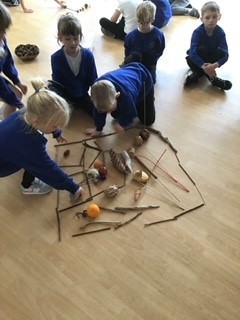
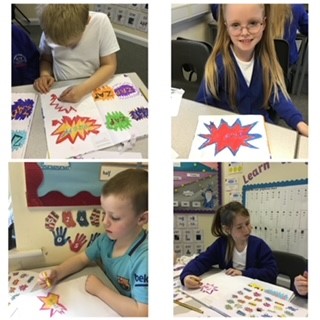
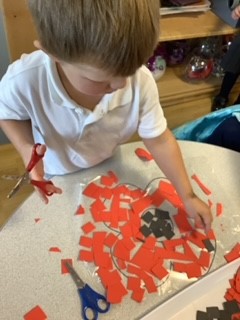
There is great pleasure to be derived from Art and Design, and through deeper understanding; pupils can gain access to cultural richness and diversity which has significance and meaning for all our children. The appreciation and enjoyment of the visual arts enriches our lives.
D&T
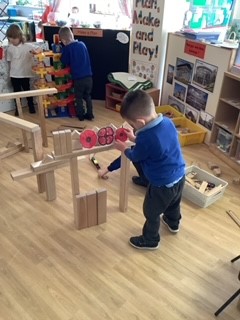
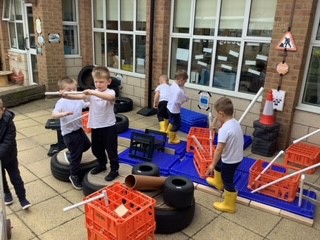
Design and Technology has a very important place in our curriculum. We see design and technology as an inspiring, rigorous and practical subject. Using creativity and imagination, pupils design and make products that solve real and relevant problems within a variety of contexts, considering their own and others’ needs, wants and values. They acquire a broad range of subject knowledge and draw on knowledge from curriculum areas such as mathematics, science, computing and art. The skills that are developed in these subjects can be transferred across the whole curriculum.
Pupils will learn how to work safely, take risks, become resourceful, innovative, enterprising and capable students.
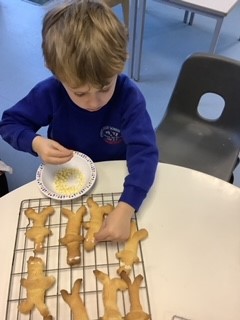
Through the evaluation of past and present design and technology, children will develop a critical understanding of its impact on daily life and the wider world. High-quality design and technology education makes an essential contribution to the creativity, culture, wealth and well-being of our community.
Music
“Music is the art of thinking with sounds.”
Jules Combarieu
Music continues to be a unique way of communicating that can inspire and motivate children. It is a vehicle for personal expression and it can play an important part in the personal development of people. Music reflects the culture and society we live in, as well as enabling children to better understand the wider world they live in. The community our children live within does not reflect diverse cultures and we aim to provide opportunities for our children to experience other cultures through music. Besides being a creative and enjoyable activity, music can also be a highly academic and demanding subject. It also plays an important part in helping children feel part of a community. We provide opportunities for all children to create, play, perform and enjoy music, to develop the skills to appreciate a wide variety of musical forms, and to begin to make judgements about the quality of music.
At Ryhope Infant School Academy we strive to make music an enjoyable learning experience. We encourage children to participate in a variety of musical experiences through which we aim to build up the confidence of all children. Singing lies at the heart of good music teaching. Our teaching focuses on developing the children’s ability to sing individually and with other people gaining a better sense of pitch and awareness of ways to improve. Through singing songs, children learn about the structure and organisation of music and aids cross curricular links. We teach them to listen and to appreciate different forms of music. As children get older, we expect them to maintain their concentration for slightly longer and to listen to more extended pieces of music. Children develop descriptive skills in music lessons when learning about how music can represent feelings and emotions. We teach them the disciplined skills of recognising pulse and pitch. We often teach these together. We also teach children how to work with others to make music and how individuals combine together to make sounds, recording ideas in different formats.
Additional Music Teaching
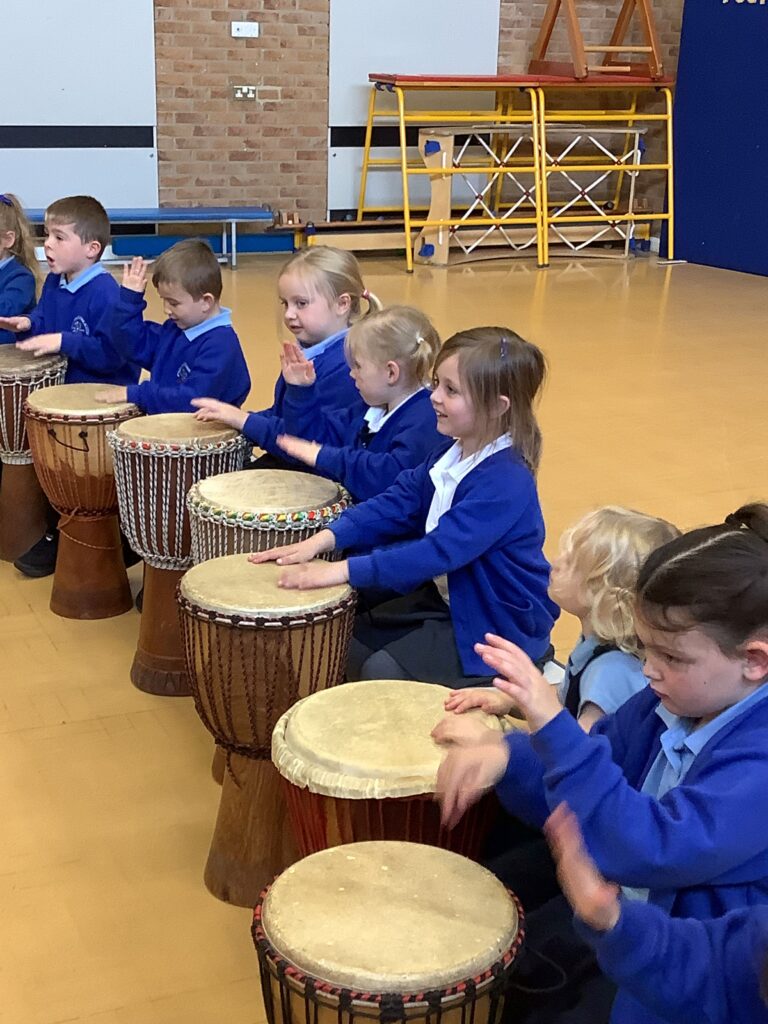
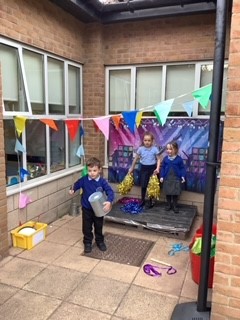
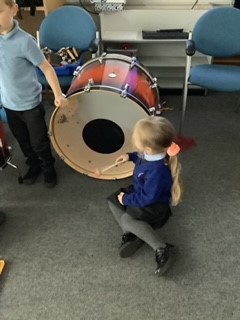
We have a specialist music teacher who comes into school every week and works with each class from Reception to Year 2, teaching the children how to play the African drums. This is a fantastic opportunity for children to play a percussion instrument, learn about rhythm and beat, and also experience playing music as part of a group and playing as a solo musician. As well as developing musical skills it also immerses the children within the African culture, with cross-curricular links to Geography, History, the Arts and PSED.
Geography
“Geography is a tapestry that weaves the world together”
Gilbert M. Grosvenor
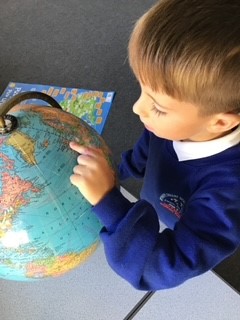
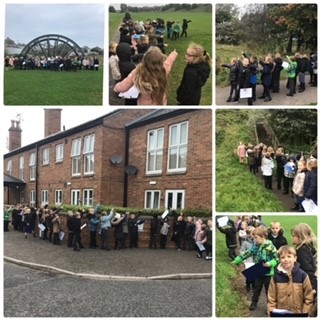
At Ryhope Infant School Academy, we employ a topic based approach to teaching and learning in Geography. We believe that teaching Geography in a creative and concrete way is fundamental to the development of Geographical understanding.
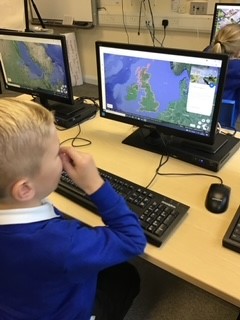
The teaching of Geography at our school inspires children to gain an understanding of their own surroundings and the wider world, including the geographical features and physical processes which shape the environment and the people who live there. It provokes children to ask and answer questions about the world around them. It develops knowledge of places throughout the world and an understanding of maps. By ensuring our Geography lessons are exciting and interactive we are ensuring the children develop a range of investigative and problem solving skills both inside out outside of the classroom.
Our Intent for Geography
- To inspire children to gain an understanding of their environment so that they can recognise their own place in the world and become more aware of the wider world around them.
- To increase children’s knowledge of other cultures and, in so doing, teach a respect and understanding of what it means to be a positive citizen in a multi-cultural country.
- To enable children to gain geographical knowledge and understanding of places in the world.
- To stimulate interest to ask and answer questions about the natural and human world.
- To develop children’s geographical knowledge and understanding including how to use, draw and interpret maps.
- To inspire children to think about their own place in the world, their values, their rights and responsibilities to other people and the environment.
- To develop their skills, especially that of enquiry, observation, measurement and collecting and sorting data.
History
“The more you know about the past, the better prepared you are for the future.”
Theodore Roosevelt
At Ryhope Infant School Academy, we employ a topic based approach to teaching and learning in History. We believe that teaching History in a creative and concrete way is fundamental to the development of Historical understanding.
The teaching of History at our school fires children’s curiosity about the past and the wider world. Children consider how the past can influence the present as well as the future. History develops a chronological framework for children’s knowledge of significant events and people. They see the diversity of human experience and understand more about themselves as individuals and members of society. History gives us all the chance to question, investigate, explore and develop our own understanding of the past. By ensuring our History lessons are active and engaging we are encouraging the children to develop their creativity, empathy and imaginative skills.
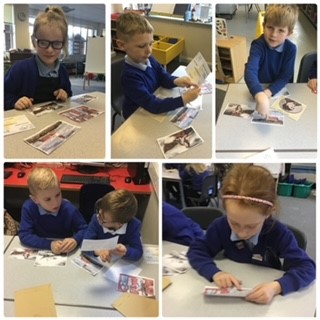
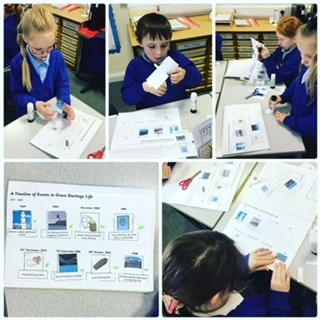
Our Intent for History
- To enable children to gain knowledge and understanding about historically significant events that happened nationally, globally and within their own locality.
- To stimulate children’s interest and curiosity about people in the past and to appreciate how things have changed over time.
- To widen and develop the children’s awareness and experience of the past and to look at ways in which it is different from the present.
- To develop a sense of chronology.
- To foster interest and enjoyment in learning through the use of artefacts, practical activities and outings.
- To develop children’s enquiry skills, encouraging them to find different ways to answer historical questions e.g. books and internet.
RE
Science
“The important thing is to never stop questioning.”
Albert Einstein
At Ryhope Infant School Academy we are passionate about the teaching of Science and our Science lessons encourage children to become ‘Scientists’. We recognise that each child is an individual and we offer a curriculum designed to appreciate and build on children’s prior learning. We provide first hand learning experiences which allow our children to develop interpersonal skills, build resilience and become creative, critical thinkers.
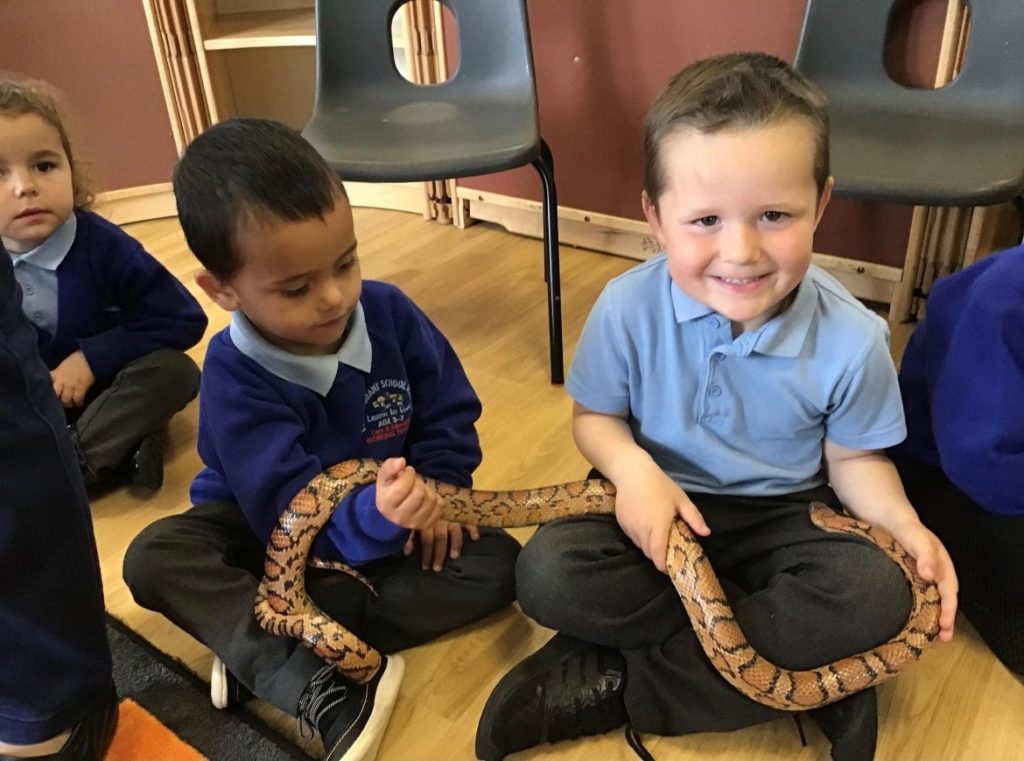
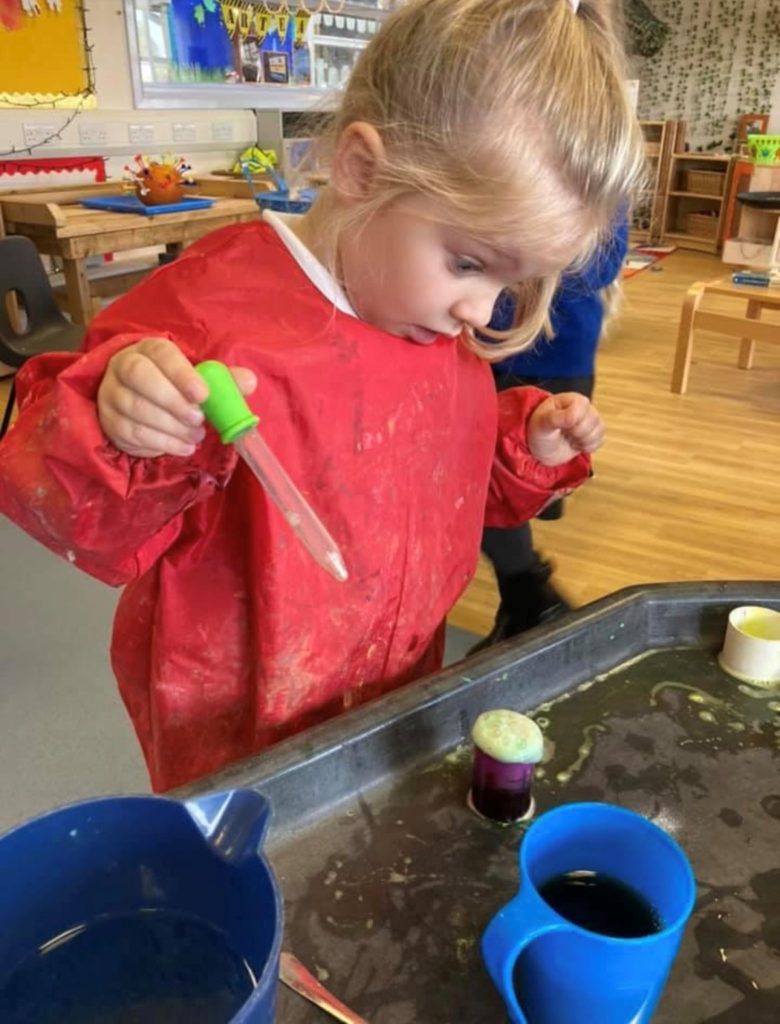
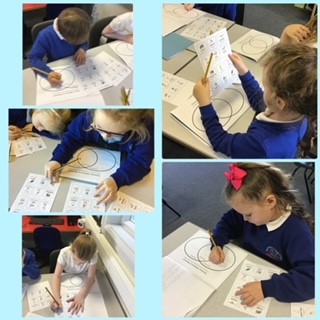
Throughout our teaching of Science we constantly provide opportunities to engage learning and to develop children’s scientific knowledge and understanding of the nature, processes and methods of science, for now and for the future. Our curriculum aims to broaden the children’s scientific view of, and respect for, the world around them, whilst promoting a love for enquiry and wanting to explore new things. We want our pupils to develop a love for science that carries through into later life, instilling in them an awareness of how science is relevant in today’s society. Because science links direct practical experience with ideas, it can engage learners at many levels. We believe that childhood should be a happy, investigative and enquiring time, where there are no limits to curiosity and there is a thirst for new experiences and knowledge. We endeavour to ensure that the science curriculum we provide will give children the confidence and motivation to continue to further develop their skills into the next stage of their education and life experiences.
We offer children the opportunity to gain the confidence and skills to make decisions, self-evaluate, make connections and become lifelong learners.
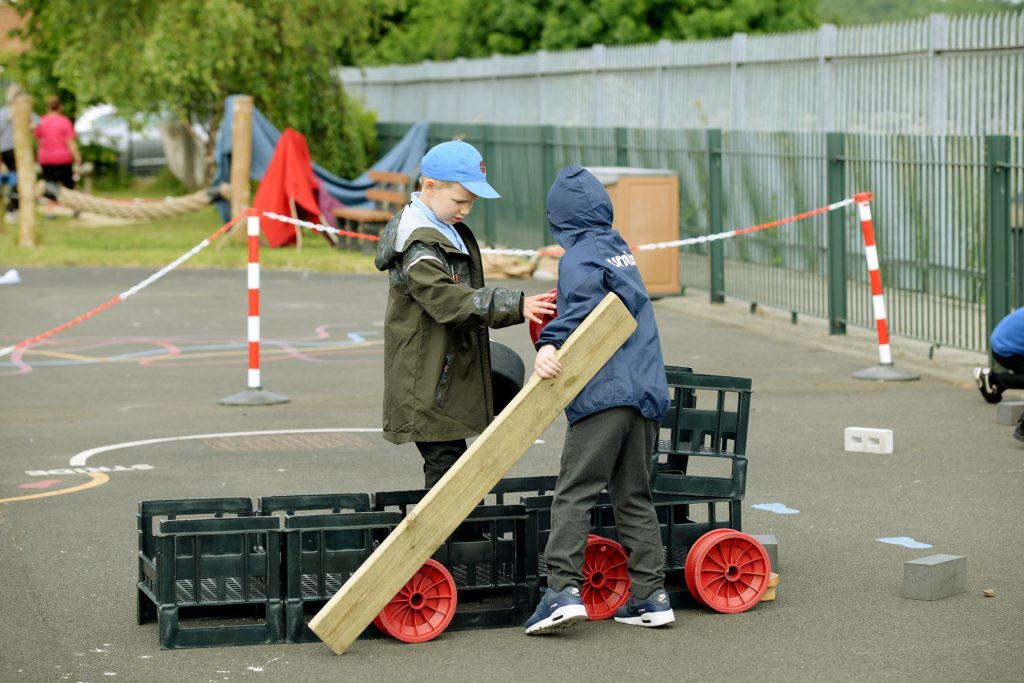
Outdoor learning holds equal value as indoor learning. Throughout all areas of learning, outdoor learning opportunities are planned for as appropriate.
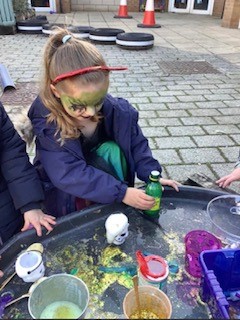
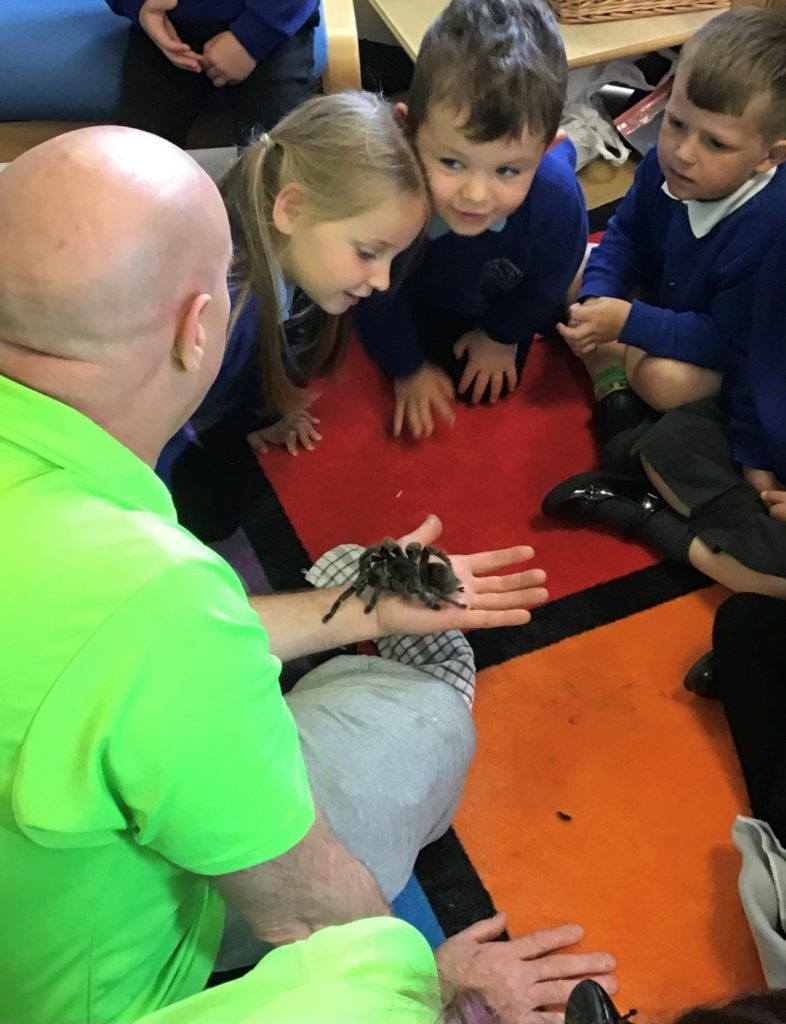
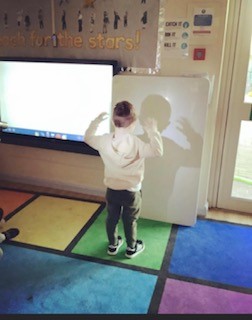
The nature, processes and methods of science.
‘Working Scientifically’ specifies the understanding of the nature, processes and methods of science for each year group. It will be integrated into the teaching of science and not taught as a separate strand. Each lesson ensures skills are being developed throughout the children’s school career and new vocabulary and challenging concepts are introduced through direct teaching. This is developed through the years, in-keeping with the topics.
Pupils will be involved in a variety of lessons, including;
- Structured activities and open ended investigative work.
- Activities that develop and extend observational skills.
- Practical activities, using measuring instruments allowing them to read scales and apply mathematical knowledge.
- Structured activities to develop an understanding of a mathematical concept.
- Open ended investigations, allowing children to express their thoughts and opinions, to predict, observe, record and analyse findings.