PSHE / RSHE
Ryhope Infant School Academy is a thriving learning community where all learners are valued as individuals. They are encouraged, challenged and supported to be the best they can possibly be.We want our children to ‘live to learn’ and ‘learn to live’.
We are passionate in our pursuit of excellence in all aspects of school life and aim to support all young people to stay safe and prepare for life in modern Britain.
We nurture and inspire children to develop confidence and resilience in an environment where children are offered valuable opportunities to flourish in all areas.
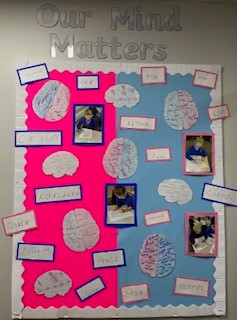
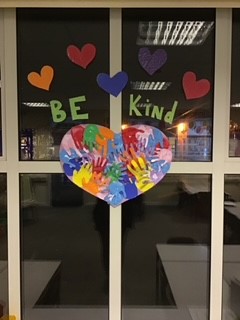
Our school vision and ethos is strongly supported through, and embedded in, the delivery of our PSHE whole-school approach to the curriculum. At our school we are committed to ensuring that the emotional and social needs of all our children are met within our school environment, and we support the development of children’s health and wellbeing, self-esteem and confidence. We offer extra support in the ways of nurture groups for those children in need.
As part of providing a broad and balanced PSHE curriculum, we are able to nurture and support the spiritual, moral, social and cultural (SMSC) development in young children and promote the fundamental British values in young lives.
We support children to develop the knowledge, skills and understanding they need to lead confident, healthy and independent lives, and become responsible citizens. We recognise that our school ethos is crucial to this learning and should be at the heart of school life.
RSHE
The focus of RSHE (Relationship Sex and Health Education) in Ryhope Infant School Academy is to teach the fundamental building blocks and characteristics of positive relationships, with particular reference to friendships, family relationships and relationships with other children and with adults.
At Ryhope Infant School Academy we begin by teaching the children about what a relationship is, what friendship is, what family means and who the people are who can support them. As soon as our children join us in Nursery, they are taught how to take turns, how to treat each other with kindness, consideration and respect, the importance of honesty and truthfulness, permission seeking and giving and the concept of personal privacy.
Respect for others is taught in an age appropriate way, in terms of understanding one’s own and others’ boundaries in play, in negotiations about space, toys, books and other resources.
Teachers talk to the children about features of healthy friendships, family relationships and other relationships which young children are likely to encounter.
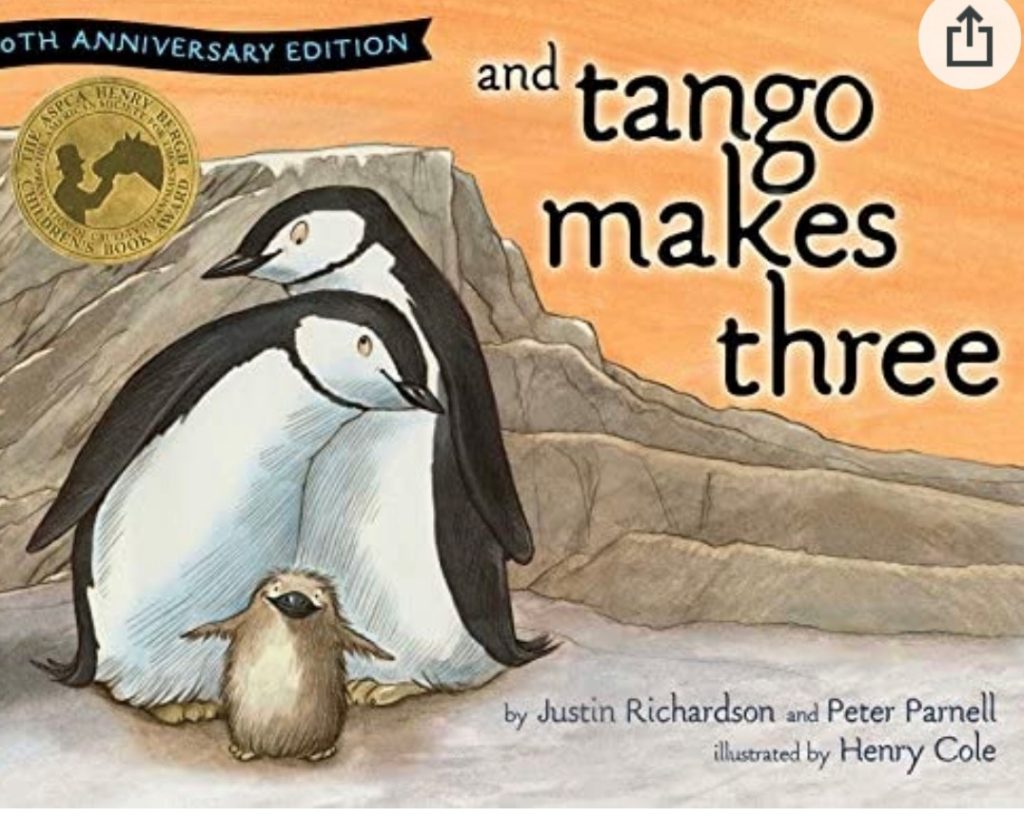
We teach about families sensitively and based on the knowledge of the children and their circumstances and that families of many forms provide a nurturing environment for children. We teach children to understand that families either in school or the wider world, sometimes look different from their family, but that they respect those difference and know that other children’s families are also characterised by love and care. Families can include single parents, LGBTQ+ parents, grandparents, adoptive parents, foster parents and carers.
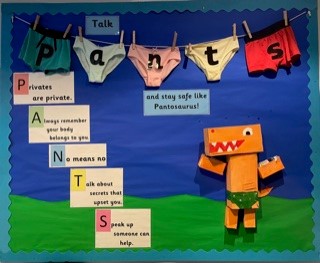
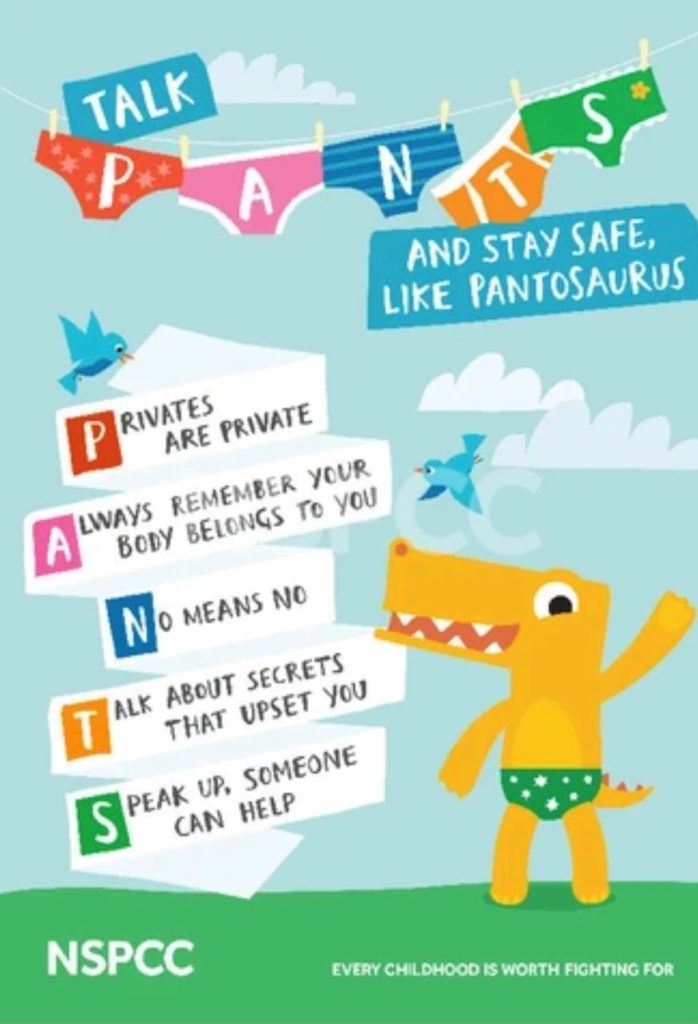
Through RSHE we teach our pupils the knowledge they need to recognise and report abuse, including emotional, physical and sexual abuse. This is done in an age appropriate way and is focused on boundaries and privacy, ensuring they understand that they have the rights over their own bodies. This includes understanding boundaries with peers and also in families and with others in all contexts including online. Pupils know who safe people are in school and know that they can share any worries with these people.
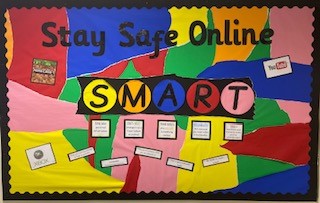
Pupils are taught the importance of online safety and are taught to understand that the same principles apply to online relationships as to face-to-face relationships, including the importance of respect for others online including when we are anonymous.
Pupils are taught the rules and principles for keeping safe online, how to recognise risks, harmful content and contact and how to report them.
PSHE and RSHE Progression of Skills
Maths
“The only way to learn mathematics is to do mathematics.“
Maths is basic skill that is required in everyday life. A strong mathematical knowledge provides a way of viewing and making sense of the world. It is used to analyse and communicate information and ideas and to tackle a range of practical tasks and real life problems.
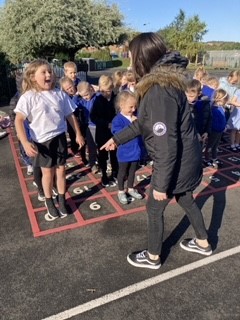
We want our children to learn how to be mathematical thinkers and to confidently apply their Maths skills in a wide range of contexts. We want them to know how Maths is important for living in modern Britain and so that they see the importance of developing these skills.
Our Intent in Maths
Using the Programmes of Study from the White Rose Hub Mastery for Maths scheme, as well as the EYFS framework it is our aim to develop the following:
• A positive attitude towards mathematics and a fascination of mathematics
• Competence and confidence with concepts and skills and a mathematical knowledge
• An ability to solve problems, to reason, to think logically and to work systematically and accurately
• Initiative and an ability to work both independently and with others
• An ability to choose and explain own methods
• An ability to use and apply mathematics across the curriculum and in real life.
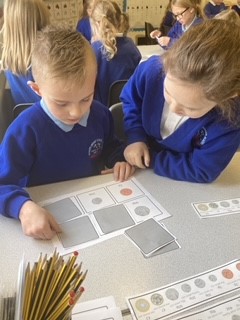
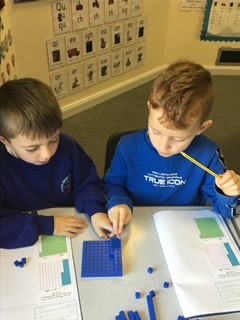
A three step approach is used when teaching to deepen learning and to ensure all learners can successfully develop a strong mathematical understanding.
We use what is known as the CPA approach:
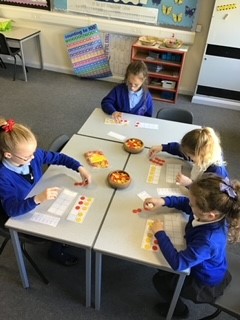
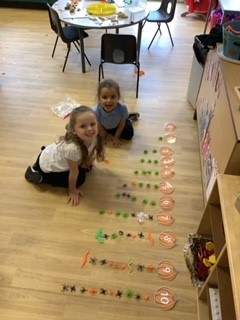
C = ‘concrete’ – the use of resources to teach concepts and offer children practical methods to support understanding and so they ‘can see’ a process
P = ‘pictorial’ – moving on to drawing out pictures or diagrams to represent concepts/methods so they are thinking about the process.
A = ‘abstract’ – when children have a sound understanding of a concept we will then introduce the written method.
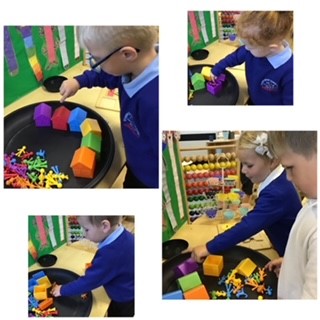
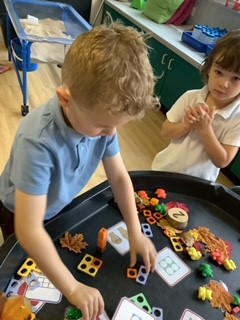
They will have the process embedded by the use of the resources and the pictures so will be ready for this step.
Across the whole school, teachers will ensure that by their careful planning and preparation all children are given opportunities to:
• use maths in a cross curricular way
• work on tasks which develop knowledge, skills and understanding
• problem solve, develop reasoning skills and ability to explain methods
• learn how to calculate mentally
• record using a range of methods
• work as an individual but also in small groups and whole class situations
• use equipment and mathematical vocabulary confidently.
English
“Acquiring literacy is an empowering process, enabling millions to enjoy access to knowledge and information which broadens horizons, increases opportunities and creates alternatives for building a better life.“
Kofi Annan
The development of an effective literacy skill set (that is, speaking, listening, reading and writing) is fundamental to the achievement of a rich and fulfilling life. We use these skills every day in order to communicate with, and make sense of, the world around us. As such, the better we are at these skills the more successful we can expect to be in life. At Ryhope Infant School Academy we recognise that at the heart of improving literacy skills is the opportunity to practice them.
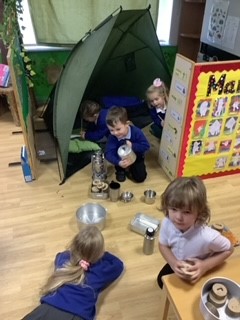
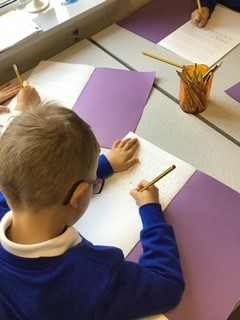
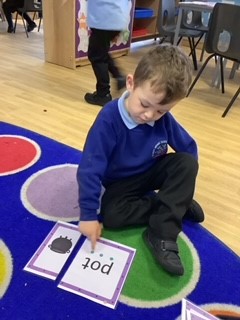
Improving literacy and learning can have an impact on students’ self-esteem, motivation, behaviour and attainment. It allows them to learn independently and is empowering. We want to Nurture a love of literacy as part of pupils’ life-long learning journey by developing all pupils ability to speak, listen, read and write for a wide range of purposes, including using language to learn, communicate, think, explore and organise. Helping our pupils to express themselves clearly, through development of vocabulary, both orally and in writing, enhances and enriches teaching and learning in all subjects and prepares the student for life after school.
We believe that reading, and particularly reading for pleasure, has a direct impact on cognitive and social communicative development.
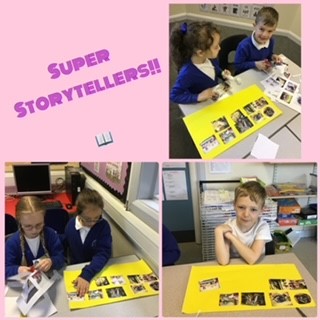
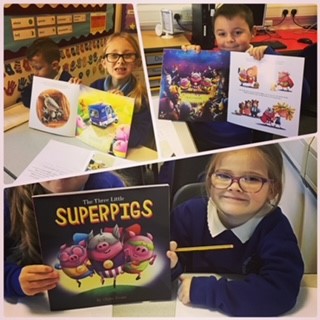
Speaking and Listening
Intent
Our overall aim is for our children to become efficient language users who are able to communicate effectively both in formal and informal situations, both inside and outside of the classroom. This will be achieved by devoting time, energy and resources to the development of oral communication.
Speaking, listening, group discussion, interaction and drama permeate the whole curriculum. Interactive teaching strategies are used to engage all pupils in order to raise reading and writing standards. Children are encouraged to develop effective communication skills in readiness for later life. We aim for children to be able to speak clearly, fluently and coherently, to be able to listen attentively with understanding, pleasure and empathy, and contribute to group discussions effectively.
Writing
Intent
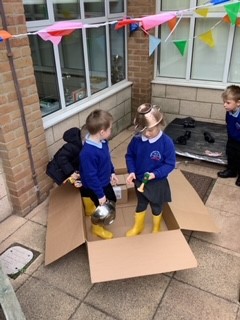
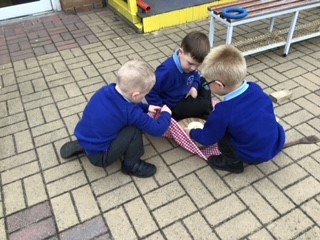
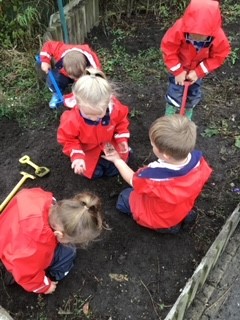
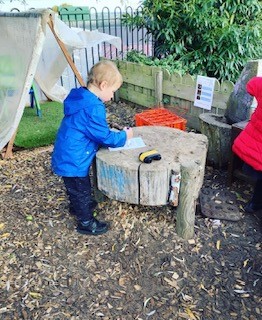
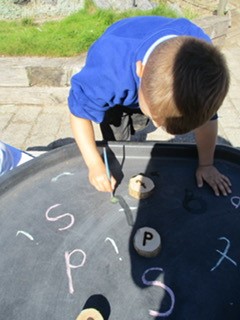
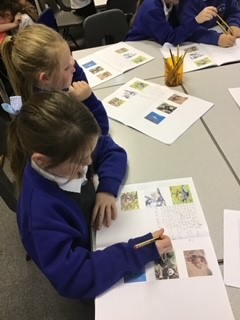
The ability to use words to express your thoughts is crucial and will enable children to communicate with the world in a more meaningful manner. Writing makes a significant contribution to the development of children as thinkers and learners. At Ryhope Infant School Academy, we treat our pupils as writers, from the earliest stage, by providing experiences where the child can acquire confidence and a positive attitude towards writing. We help children to use texts to gain more knowledge about improving their own writing and to allow practice of extended writing in a variety of purposeful contexts. Developing a positive attitude towards the writing process including planning and redrafting is essential. Through the teaching of writing we encourage children’s ability to organise and present imaginative, factual writing and poetry in different ways. We teach strategies for spelling to enable children to become confident and competent spellers. We believe that Writing is a complex skill that will not develop without teaching and practice and so we endeavour to meet our aims by ensuring that pupils are provided with experiences that:
• Help children to use texts to gain more knowledge about improving their own writing.
• Allow practice of extended writing in a variety of purposeful contexts.
• Develop positive attitudes to the writing process including planning and redrafting.
• Support improvement and high expectation of core skills i.e. Spelling, Grammar and Punctuation.
• Provide feedback to pupils which will enable them to improve their writing skills.
• Maintain and develop a high writing achievement ethos at all stages in the School.
Reading
For information about reading please see the reading and phonics section of the website
https://www.ryhopeinfantschool.org.uk/phonics-and-reading/